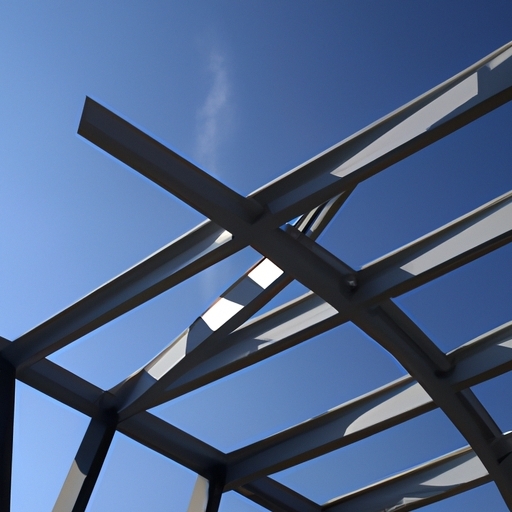
The Manufacturing Refine and Special Qualities of Cold-Formed Steel
Cold-formed steel (CFS) is a genuinely ingenious building material that is revolutionizing the building market with its exceptional strength, convenience, and sustainability. cold-formed steel building . The production procedure and distinct residential properties of cold-formed steel make it an ideal option for a range of building applications, from residential mounting to commercial structures.
The manufacturing procedure of cold-formed steel starts with the rolling of steel sheets at space temperature level, which is significantly lower than the temperature levels made use of in typical hot rolling. This is where the term cold-formed comes from. Unlike hot-rolled steel, which is formed at heats, cold-forming maintains the structural stability and strength of the steel. The sheets are travelled through a collection of dies that gradually form them into the preferred accounts, such as C-sections, Z-sections, or personalized kinds. This process boosts the steel's yield stamina with a phenomenon called strain solidifying, where the steel's grain structure is straightened to boost its load-bearing capability.
Among the most impressive buildings of cold-formed steel is its high strength-to-weight ratio. CFS is lightweight, yet it has a premium tensile toughness, making it an economical option for building contractors who call for a resistant material that can endure heavy loads and tensions. The precision of the cold-forming procedure likewise results in products with tight resistances and consistent top quality, making sure that each steel piece fits completely right into the general structure, lowering the requirement for on-site modifications and speeding up the building and construction process.
In addition, CFS exhibits outstanding dimensional stability, meaning that it does not warp, spin, or diminish in time, which can be a problem with various other construction materials like wood. This stability makes certain that frameworks made from cold-formed steel continue to be sturdy and keep their stability over the long term, even under variable ecological conditions.
In regards to versatility, cold-formed steel can be conveniently modified and accompanied various other materials, permitting designers and engineers to check out innovative design ideas that would certainly be hard or difficult to achieve with even more standard materials. CFS can be reduced, drilled, and assembled on-site using easy devices, and it can be integrated with various other building components like concrete, glass, or wood to create hybrid frameworks that take advantage of the benefits of numerous materials.
Moreover, cold-formed steel is an eco-friendly selection. Steel is among one of the most recycled materials worldwide, and using recycled steel for brand-new construction reduces the environmental impact associated with mining and handling basic materials. The recyclability of CFS ensures that also after a structure's life mores than, the product can
Contrasting Cold-Formed Steel to Standard Structure Products
Cold-formed steel (CFS) has actually emerged as a game-changer in the construction industry, transforming the means buildings are made and erected. This innovative material is improving the landscape of building because of its stamina, convenience, and efficiency contrasted to conventional structure products such as wood, hot-rolled steel, and concrete.
Among one of the most substantial advantages of cold-formed steel is its superior strength-to-weight proportion. Unlike hot-rolled steel, which is developed at heats, CFS is formed at space temperature, which maintains the steel's intrinsic structural honesty. This procedure leads to a lighter product that can stand up to high lots, making it an outstanding option for multi-story buildings where reducing dead lots is a concern.
In regards to flexibility, CFS is unequaled. It can be rolled, punched, and cut into a selection of shapes and sizes, allowing for extremely personalized styles. This adaptability makes it possible for architects and engineers to push the limits of creative thinking and capability, crafting frameworks that are not just visually attractive however also very efficient in regards to space use.
Sustainability is an additional area where CFS beams. It is 100% recyclable, and since it is lighter than traditional materials, it reduces the carbon impact associated with transport. Furthermore, CFS frameworks can be put together with accuracy, decreasing waste throughout construction.
When it involves speed of building and construction, cold-formed steel is a clear victor. Pre-fabricated panels and parts can be made off-site and swiftly assembled on-site, lowering building times and labor expenses. This likewise results in much safer building and construction websites with less mess and fewer on-site dangers.
Comparing cold-formed steel to wood, one finds that CFS is unsusceptible most of the problems that torment wood, such as termites, wetness damages, and bending. Fire resistance is another important area where cold-formed steel outperforms timber, offering better security and potentially lower insurance policy costs.
Against concrete, cold-formed steel offers a lighter choice that can reduce the demand for hefty structures and can be adjusted quicker to seismic style demands. While concrete is applauded for its compressive toughness, CFS masters tensile strength, making it an ideal choice for locations that experience high winds or quakes.
To conclude, the resourceful use cold-formed steel is revolutionizing building and construction by offering a product that is strong, flexible, and sustainable while offering efficiencies in cost and construction time. As the industry remains to advance, the adoption of CFS highlights a dedication to development and a shift in the direction of
Ecological Advantages and Sustainability of Making Use Of Cold-Formed Steel
In the pursuit for more sustainable and effective building and construction methods, a transformation is quietly forming through making use of cold-formed steel (CFS). This innovative structure material is not just modifying the sky line with its strength and adaptability but likewise offers a myriad of ecological advantages, making it a cornerstone of sustainable building and construction techniques.
Cold-formed steel is developed by rolling or pressing steel into semi-finished or finished products at room temperature. This process needs much less power compared to hot-rolled steel, leading to a reduced carbon footprint. In addition, CFS is commonly made from recycled material and is totally recyclable at the end of its life, ensuring that it adds to a circular economic situation.
Sustainability goes to the heart of CFS, with its light-weight nature dramatically minimizing transportation prices and associated emissions. Its lightweight also indicates much less lots on foundations, causing minimized use concrete, a material with a high carbon impact. Additionally, CFS structures can be created for disassembly, advertising reuse and versatility in the ever-changing metropolitan landscape.
CFS additionally adds to energy effectiveness in buildings. It can be precision-engineered to develop limited fits and much better insulation envelopes, substantially minimizing heating and cooling needs. The product's intrinsic sturdiness suggests that it does not warp, rot, or mold and mildew, ensuring a longer life span with less upkeep and less sources utilized with time.
The stamina of cold-formed steel remains in its adaptability and versatility. It can be molded right into numerous shapes and sizes, permitting innovative architectural layouts that can react to varied environmental conditions. This versatility not just promotes advancement in layout yet additionally ensures that frameworks can be maximized for environmental performance.
In conclusion, cold-formed steel is not just an additional material; it is a transformation in the building and construction market. With its mix of strength, flexibility, and environmental sustainability, CFS is paving the way for a future where buildings are not only visually pleasing and practical yet likewise kinder to our earth. As we march towards an extra sustainable future, the duty of resourceful materials like cold-formed steel becomes ever before more crucial in the global narrative of environmental stewardship and responsible building and construction.
The Versatility of Cold-Formed Steel in Numerous Building And Construction Applications
Cold-formed steel, a wonder of modern design, is quickly changing the landscape of building and construction with its extraordinary toughness and unusual flexibility. This innovative material is not your ordinary steel; it has been thoroughly developed to provide a plethora of advantages that are reinventing the structure industry.
What collections cold-formed steel apart is its one-of-a-kind manufacturing procedure. Unlike conventional hot-rolled steel, which is formed at heats, cold-formed steel is produced at or near space temperature. This approach results in a lightweight yet robust material that flaunts a high strength-to-weight proportion, making it an ideal selection for a wide variety of building applications.
One of one of the most engaging qualities of cold-formed steel is its adaptability. From household buildings to business frameworks, and from mounting systems to complex building functions, cold-formed steel supplies options that are both functional and aesthetically pleasing. Its pliability permits it to be developed right into various sizes and shapes, dealing with the bespoke demands of designers and developers who look for both performance and creativity.
The building market is constantly looking for materials that can enhance efficiency and reduce expenses, and cold-formed steel answers that call. Its light-weight nature translates to reduce transportation expenses and less complicated managing on-site, leading to much faster building and construction times. This is a game-changer for jobs on a tight timetable or those intending to lessen labor expenses.
Sustainability is an additional cornerstone of the appeal of cold-formed steel. As a recyclable product, it adds to a greener building procedure by lessening waste and promoting using recycled web content. This aligns completely with the expanding need for eco accountable building methods.
Moreover, cold-formed steel master durability. It is non-combustible, immune to warping, reducing, and bugs, ensuring long life and minimizing maintenance costs over the lifespan of a structure. Its durability also makes it an ideal selection for locations prone to seismic task or harsh weather conditions, offering included safety and comfort for occupants.
Cold-formed steel's compatibility with various other products is yet another element of its convenience. It can be conveniently incorporated with concrete, glass, and timber, providing unlimited possibilities for innovative crossbreed construction methods. This compatibility not just broadens style options but likewise improves the architectural honesty of structures.
Despite evolving building regulations and the constant push for greater efficiency requirements, cold-formed steel sticks out as a forward-thinking remedy. It meets and typically surpasses market demands, supplying a robust structure that sustains energy-efficient styles and sophisticated insulation methods.
In conclusion, cold-formed steel is not just a 22
Cold-Formed Steel in Modern Style and Style Adaptability
Cold-Formed Steel (CFS) is a remarkable building product that has been quietly changing the construction sector. As contemporary design presses the limits of layout, CFS has become a versatile and solid product that supplies designers and builders unprecedented versatility.
What collections cold-formed steel apart is its technique of manufacturing. Unlike hot-rolled steel, which is created at high temperatures, CFS is produced at room temperature, by running slim sheets of steel via a series of rollers. This procedure not just enables a high level of accuracy yet additionally enhances the steel's strength with work-hardening.
The applications of CFS in contemporary style are substantial and differed. Among one of the most substantial benefits of cold-formed steel is its adaptability. It can be reduced, curved, and set up into a range of shapes and sizes, which opens a world of style opportunities. This makes it a perfect choice for engineers who are looking to create ingenious and complex structures.
Moreover, CFS is light-weight compared to typical building products like concrete and hot-rolled steel. This suggests it can reduce the tons on foundations, permitting more imaginative and enthusiastic layouts, specifically in areas with challenging soil problems. Furthermore, the lighter weight of CFS makes it easier and extra cost-efficient to move and take care of on the construction website.
Sustainability is another crucial advantage of cold-formed steel. It is among the most recycled materials on the planet, and its production process is usually a lot more energy-efficient than that of conventional materials. Structures created with CFS can also be taken apart and the materials reused, additionally adding to the circular economic situation.
The strength-to-weight proportion of cold-formed steel is a game-changer for earthquake-prone regions. CFS possesses the durability to stand up to seismic pressures, making it an excellent selection for safety-conscious building. This strength likewise extends to resistance versus fire, bugs, and rot, ensuring that structures not just last much longer but likewise require less upkeep gradually.
The speed of construction is yet an additional location where CFS beams. Parts can be erected off-site and quickly constructed on-site, drastically reducing building time. This prefabrication procedure likewise permits better quality control, as components are generated in a regulated factory atmosphere.
Cold-formed steel's payments to modern-day architecture and layout adaptability are obvious. As we continue to look for cutting-edge remedies to the complicated demands of contemporary construction, CFS attracts attention as a material that is not simply meeting these challenges yet also pressing the market towards an extra effective, sustainable, and
Financial Benefits and Cost-Effectiveness of Cold-Formed Steel Construction
In the ever-evolving landscape of building and construction, the industry continually looks for materials that use premium efficiency, versatility, and cost-effectiveness. One such product that has actually become a game-changer is cold-formed steel (CFS). This ingenious building material is reinventing the construction sector with its myriad of financial benefits and unmatched flexibility.
Cold-formed steel describes architectural items that have been formed at area temperature, causing a material that is lightweight yet incredibly solid. The process of cold-forming enables the steel to be built right into numerous sizes and shapes, enabling architects and engineers to press the boundaries of layout while keeping structural integrity.
One of one of the most substantial economic advantages of CFS is its light-weight nature. This decreases the concern on structure requirements and, as a result, can lead to considerable financial savings in both products and labor. Additionally, the convenience of dealing with and delivering lightweight CFS parts converts to decrease delivery prices and a reduced carbon footprint.
From a cost-effectiveness perspective, CFS supplies numerous benefits. The accuracy of cold-forming cause a high degree of harmony and uniformity, decreasing waste throughout manufacturing. Furthermore, the predictability of steel prices contributes to extra exact budgeting and financial planning for construction tasks. The setup of CFS is also quicker and much less labor-intensive contrasted to typical structure materials like wood or concrete. The ability to build parts off-site under controlled conditions better increases construction timelines and lowers on-site labor prices.
Cold-formed steel's sturdiness is another aspect that adds to its cost-effectiveness. It is non-combustible, which can reduce insurance costs, and it is impervious to insects such as termites. The product's resistance to warping, reducing, and decomposing removes the requirement for costly lasting upkeep and substitute that is often connected with various other building materials.
Furthermore, CFS is very adaptable and can be quickly changed or extended, which is useful for future improvements or growths. This adaptability guarantees that structures can adapt to changing needs without considerable overhauls, hence safeguarding the first financial investment and expanding the life-span of the framework.
CFS building and construction is not just economically helpful but also lines up with lasting building methods. Steel is among one of the most recycled materials in the world, which suggests that CFS parts can be repurposed at the end of their life process, lowering waste and promoting a round economic situation.
To conclude, the development of cold-formed steel in the building market stands for a significant progression in building innovation. Its stamina, versatility,
Future Fads and Advancements in Cold-Formed Steel Structure Solutions
In the ever-evolving landscape of building, a silent transformation is unraveling, one that guarantees to redefine the method we conceive building frameworks. This change is pioneered by a product that combines toughness, adaptability, and development-- cold-formed steel (CFS). As we look to the future, the fads and technologies in CFS structure options are establishing the phase for a new age in construction, characterized by effectiveness, toughness, and versatility.
Cold-formed steel has actually come a lengthy way from its very early applications. It is no more simply a product for mounting or indoor non-load-bearing walls. Today, it stands at the leading edge of contemporary building and construction modern technology, offering a huge selection of advantages that satisfy the needs of contemporary structure design. Its high strength-to-weight ratio means that frameworks can be lighter without jeopardizing on stability, enabling engineers and designers to press the boundaries of design.
Among one of the most interesting trends in making use of CFS is its combination with modular and prefabricated building approaches. As the industry leans towards sustainable and time-saving procedures, CFS fits perfectly into the photo. Upraised CFS panels and modules can be made off-site to specific requirements, reducing waste and on-site building and construction time substantially. This not just leads to quicker predict conclusion however additionally makes certain a high degree of quality control that might not be as easily achievable with conventional construction approaches.
Technology in CFS likewise reaches its capability to work in harmony with various other building materials. Hybrid systems that integrate CFS with concrete, lumber, and even newer materials such as carbon fiber, are producing structures that are a lot more resilient and energy-efficient. The harmony of these products with CFS enables thermal performance, resulting in buildings that are not just solid, however additionally lasting and cost-efficient to preserve.
Furthermore, the electronic revolution has caused sophisticated layout and evaluation devices that are altering the method CFS structures are visualized. Software Application for Building Info Modeling (BIM) and Finite Component Evaluation (FEA) are making it possible for a lot more specific and complex layouts to be intended and executed with CFS. These tools facilitate the optimization of material use and structural performance, allowing for higher building freedom and innovation.
Safety is an additional area where CFS shines, with inherent properties that make it a smart selection for earthquake-prone and high-wind areas. Its ductility and resilience indicate that CFS structures can take in and dissipate power from all-natural disasters more effectively than numerous traditional building materials, thus protecting both the framework and its passengers.
As the industry remains to grapple